
TMC & SGS Produce World-First Nickel Sulfate from Deep-Seafloor Polymetallic Nodules: A Groundbreaking Achievement in the Battery Metals Industry
NEW YORK, April 23, 2024 - TMC the metals company Inc. (Nasdaq: TMC), a leading explorer of the world’s largest estimated undeveloped source of critical battery metals, has made a historic breakthrough by successfully producing the world’s first nickel sulfate derived exclusively from seafloor polymetallic nodules. This groundbreaking achievement stems from the company’s collaboration with SGS Canada Inc. during bench-scale testing of their innovative hydrometallurgical flowsheet design at the renowned Lakefield facility in Ontario.
The production of nickel sulfate from deep-seafloor polymetallic nodules is a significant accomplishment that holds immense promise for the battery metals industry. These polymetallic nodules, also known as manganese nodules, are rich in valuable metals such as nickel, copper, cobalt, and manganese. Found on the seafloor in abundance, these nodules have long been recognized as a potential resource to meet the growing demand for critical battery metals.
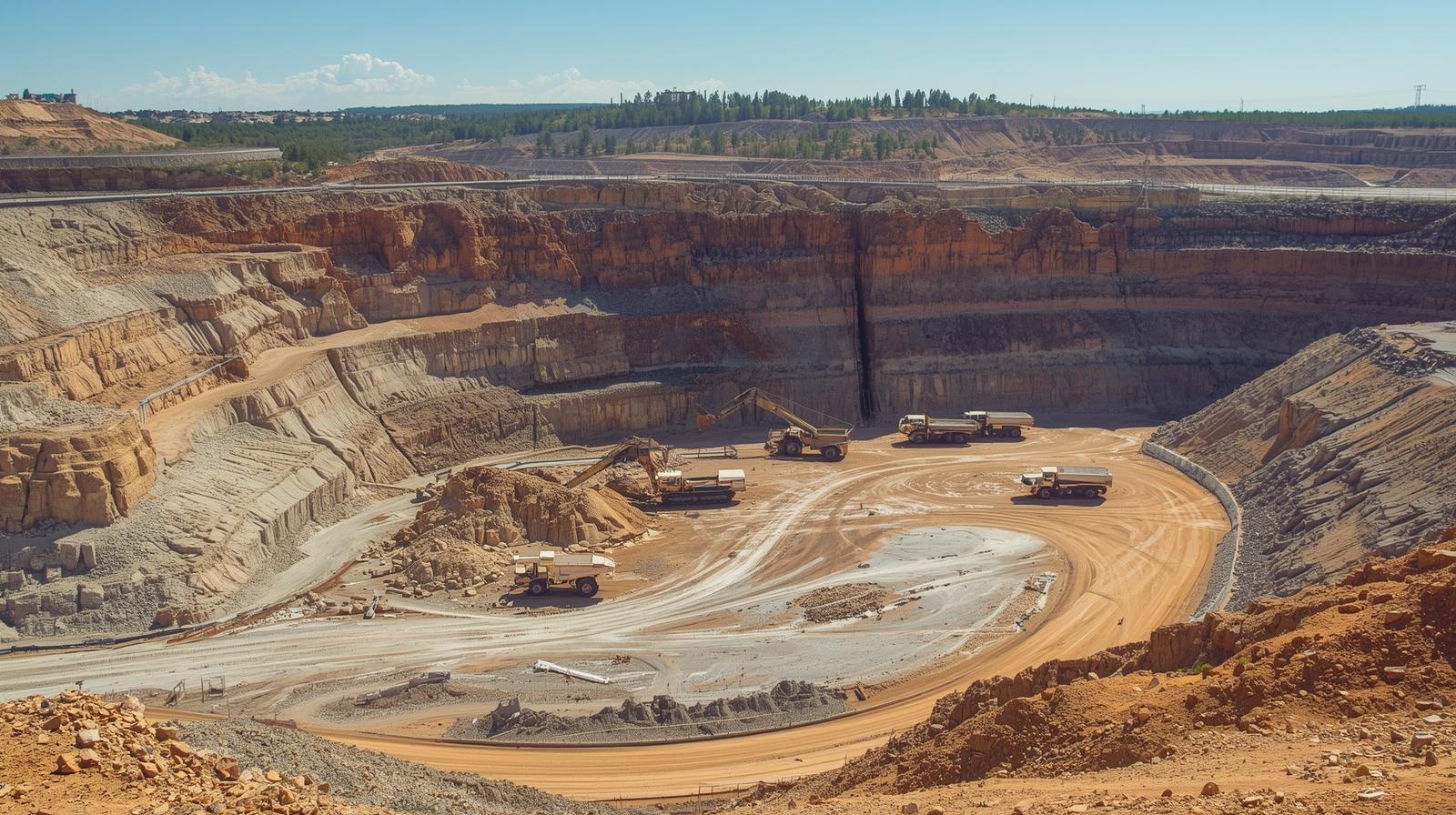
Traditionally, nickel sulfate has been primarily produced from nickel sulfide ores. However, extracting these ores comes with significant environmental and social challenges. The process involves mining on land, often leading to deforestation, habitat destruction, and displacement of local communities. Moreover, traditional mining operations often face major permitting hurdles due to the environmental impact caused by the extraction and processing of sulfide ores.
TMC’s approach to sourcing nickel sulfate from seafloor polymetallic nodules presents a more environmentally and socially responsible alternative. By utilizing hydrometallurgical processes, TMC aims to minimize the negative environmental footprint associated with traditional mining practices.
The collaboration between TMC and SGS Canada has been instrumental in testing the viability of this cutting-edge production method. SGS Canada, a renowned minerals and metallurgy services provider, has brought their expertise to the table, allowing for comprehensive testing and optimization of TMC’s hydrometallurgical flowsheet design. The success of this partnership showcases the remarkable potential and technical feasibility of extracting critical battery metals from deep-seafloor resources.
The production of nickel sulfate from seafloor polymetallic nodules holds several advantages over conventional mining methods. Firstly, it presents an alternative source of valuable metals, reducing the dependence on land-based mining operations and subsequently minimizing the negative impact on terrestrial ecosystems. Secondly, deep-sea mining can potentially provide a more stable and reliable supply of battery metals, offering a sustainable solution to meet the ever-growing demand for electric vehicles and renewable energy storage systems.
Apart from nickel sulfate, polymetallic nodules have the potential to yield other important battery metals, including copper, cobalt, and manganese. TMC’s success in producing nickel sulfate from these nodules sets the stage for future exploration and development of alternative sources for these crucial metals. If harnessed sustainably, deep-seafloor resources could alleviate concerns about supply chain disruptions and contribute significantly to the transition towards a greener and more sustainable future.
In conclusion, TMC and SGS Canada’s world-first production of nickel sulfate derived from deep-seafloor polymetallic nodules marks a seismic shift in the battery metals industry. This groundbreaking achievement not only diversifies the sources of critical battery metals but also offers a more sustainable and responsible solution compared to conventional mining methods. With the potential to meet the increasing global demand for electric vehicles and renewable energy systems, the successful extraction of nickel sulfate from seafloor resources represents a significant step towards a cleaner and greener future.
Comments