
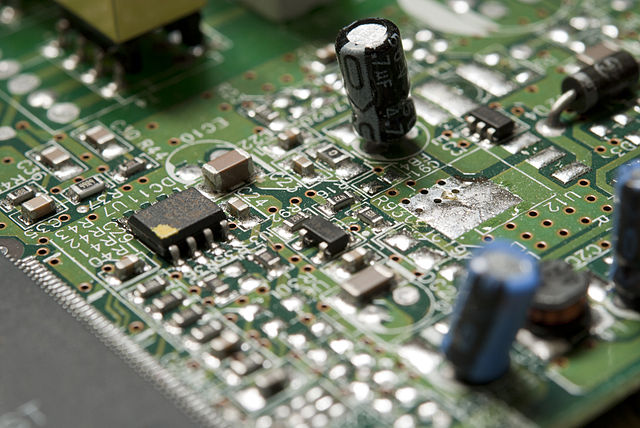
Microchip Technology Incorporated has unveiled its latest advancements in Ethernet technology with the release of the LAN887x PHY transceivers. These new PHYs bolster the company’s Single Pair Ethernet (SPE) portfolio, featuring capabilities such as 100BASE-T1 and 1000BASE-T1 for enhanced network interoperability. The LAN887x transceivers are designed to extend network reach up to an impressive 40 meters, ensuring high-quality connectivity across various industrial applications.
The LAN887x PHY transceivers are designed to meet strict industry standards, offering a reliable solution for manufacturers and integrators looking to enhance their network infrastructure. The adherence to these standards ensures seamless integration and interoperability, which is crucial for the expanding needs of industrial networks.
In addition to its technological advancements, Microchip Technology Incorporated also reported its financial performance for the first quarter of 2025. The company achieved a return on average invested assets (ROI) of 11.1%, surpassing its historical average ROI of 10.54%. However, this represents a decline from the period ending March 31, 2024, primarily attributed to a decrease in net income. This reduction in ROI is notable within the context of the technology sector, where 48 other companies reported higher returns.
Despite the dip in ROI, Microchip’s overall ranking in return on investment saw progress. As of June 30, 2024, the company improved its position to 345, up from 387 in the fourth quarter of 2024. This upward movement illustrates the company’s resilience and commitment to enhancing its financial standing through strategic initiatives.
Microchip’s continued innovation and dedication to meeting industry standards place it at the forefront of network technology advancements. The introduction of the LAN887x PHYs with extended reach capabilities underscores the company’s commitment to driving progress within the realm of Ethernet networks, offering robust solutions to address the growing demands of industrial connectivity.
Comments