
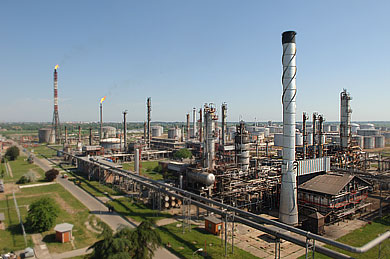
In this enlightened age of industry, where the pursuit of sustainable energy sources has taken an earnest turn under the auspices of ceaseless innovation, we witness a momentous occasion that conjoins two influential giants in the realm of energy production. On this auspicious day, His Highness Sheikh Khaled bin Mohamed bin Zayed Al Nahyan, esteemed Crown Prince of Abu Dhabi and Chairman of the Abu Dhabi Executive Council, has graciously presided over the signing ceremony that heralds the union of the Abu Dhabi National Oil Company (ADNOC) and the venerable Exxon Mobil Corporation. This significant accord pertains to the establishment of the world’s preeminent low-carbon hydrogen production facility, which is earmarked to rise from the industrious soil of Baytown, Texas.
As the world grapples with the pressing dilemmas of climate instability and the inexorable march towards carbon neutrality, this partnership epitomizes a formidable stride toward fostering a sustainable energy landscape. The arrangement delineates ADNOC’s acquisition of a substantial 35% equity stake in the proposed low-carbon hydrogen and ammonia production facility, a strategic move that reflects not only a commitment to reducing greenhouse gas emissions but also a visionary alignment with the future of energy one that harnesses the power of hydrogen in mitigating the environmental repercussions of traditional fossil fuels.
In a ceremony replete with significance, Sheikh Khaled’s presence accentuated the importance of this multinational collaboration, underscoring the region’s pivotal role in the global energy transition narrative. The Crown Prince, a proponent of progressive energy policies, articulated the necessity of such partnerships in invigorating the quest for cleaner and more efficient energy solutions, which are not merely aspirations, but paramount tasks for the governance of our environmental legacy.
The intricacies of this agreement extend beyond mere equity stakeholding; it heralds an era wherein ingenuity is requisite for survival amidst the burgeoning demands for cleaner alternatives. The Baytown facility is envisioned to leverage advanced technologies to produce low-carbon hydrogen and ammonia a critical element in the energy sector that may serve as both a fuel source and a vessel for transporting energy across great distances, thus addressing pivotal logistics challenges that have historically beset renewable energy deployment.
As the United States continues its longstanding traditions of energy enterprise, this infusion of investment from ADNOC substantiates a bilateral endeavor that promises not only economic prosperity but also an unyielding commitment to environmental stewardship. By interlacing their vast reservoirs of expertise, resources, and market intelligence, ADNOC and ExxonMobil stand poised to set a precedent that other industry titans may well emulate in pursuit of ultimate sustainability.
In conclusion, this significant partnership emerges as a beacon of hope in the transition towards a low-carbon future, reflecting a harmonious balance between economic ambition and ecological responsibility. Let it be known that in the annals of our time, this collaborative venture may well signify a pivotal chapter in the chronicles of energy innovation. May the fruits of such industrious endeavors prosper, lighting the way to a more sustainable tomorrow for all.
Comments